
April 16, 2026 · BrightLife Physical Therapy & Wellness
Recovering from a Fracture: Restoring Motion Safely After the Cast Comes Off
5.0 rating45 five-star Google reviews
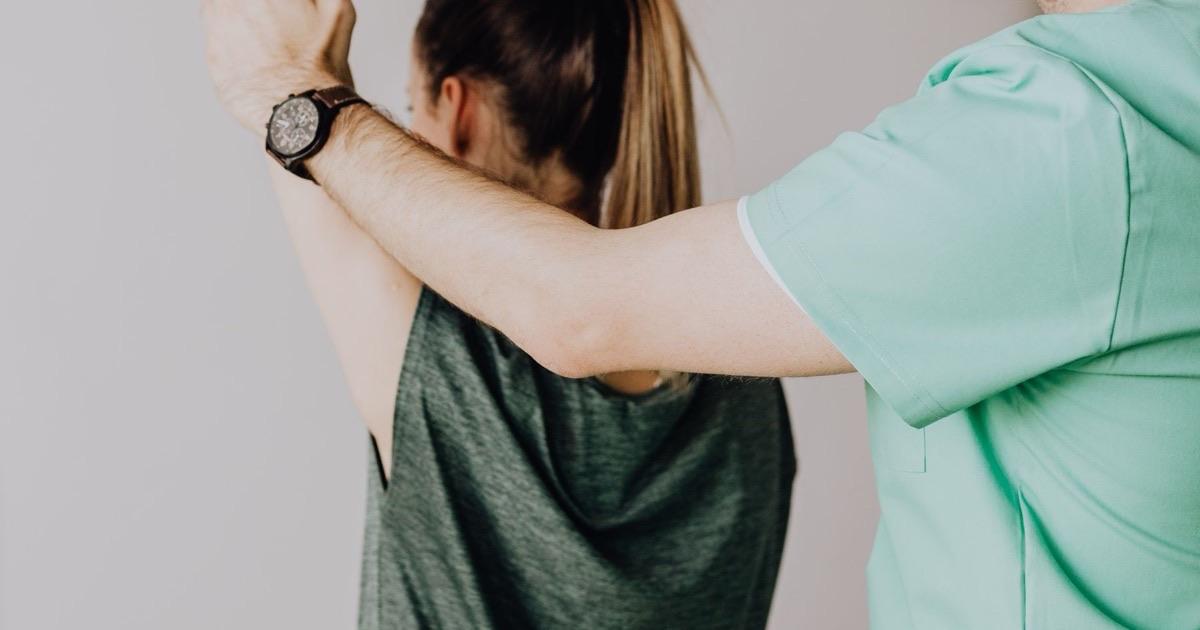
There is a moment in fracture recovery that catches most patients off guard: the cast or boot comes off, the surgeon clears you to start moving, and then... you cannot. The joint is stiff in a way that feels almost frozen. The limb is noticeably smaller and weaker than the other side. Movements that were second nature now feel awkward and uncertain. This is normal — and it is exactly when good physical therapy makes the most difference.
Fracture recovery is also one of the few situations where we genuinely do not recommend a generic at-home exercise program. The reasons matter, and they are worth understanding before you start any rehab on your own. This post walks through what happens to tissue during immobilization, the principles that guide safe early motion, why home stretches from the internet can backfire after a fracture specifically, and what working with a PT typically looks like.
What Immobilization Actually Does to the Body
When a limb is immobilized for weeks, several predictable changes happen — none of them dramatic in the moment, all of them significant over time:
- Joint capsules shorten and stiffen — the connective tissue around the joint contracts, limiting the joint's range of motion. This is why the joint feels frozen when the cast comes off.
- Muscles atrophy quickly — about 3-5% of muscle mass is lost per week of disuse, and the imbalance with the other side is often visible to the eye.
- Soft tissues develop adhesions — scar-like restrictions between layers of muscle and connective tissue.
- Bone density decreases in the immobilized area — usually recoverable, but a real change.
- Proprioception declines — the brain's sense of where the limb is in space gets less precise, which is why early walking after a leg cast feels so uncertain.
These changes are why restoring normal after a fracture is rarely a matter of just removing the cast. The body has adapted to the immobilization, and now needs a structured, gradual process to undo those adaptations safely.
General Principles for Restoring Motion After a Fracture
Whatever the specific fracture, a few principles apply broadly:
- Active before passive — your own controlled movement should generally come before having someone else move the joint for you. Active motion respects pain limits in a way passive stretching does not.
- Gentle and frequent beats hard and rare — short, frequent movement sessions throughout the day work better than one long, intense session.
- Warm up the tissue first — gentle activity (or a warm shower) makes stiff joints more receptive to motion than cold ones.
- Pain that lingers is a signal — discomfort during motion is normal early on; pain that persists for hours after suggests you pushed too hard.
- Surrounding regions need attention too — when one joint has been immobilized, the joints above and below often stiffen and weaken in sympathy.
These are principles, not prescriptions. The specific movements that are safe and appropriate depend on the fracture, the surgical fixation if any, the soft tissue involvement, and where you are in the healing timeline. Which leads to why generic home exercises are riskier here than in most other conditions.
Why Generic Home Stretches Are Risky After a Fracture
For most musculoskeletal pain, a generic at-home stretching routine is unlikely to cause harm. Fracture recovery is different. Specific risks include:
- Weight-bearing restrictions vary widely. Some fractures allow full weight-bearing as soon as the cast comes off; some are non-weight-bearing for weeks longer. A standard exercise that loads the limb can disrupt healing if the timing is wrong.
- Hardware adds complexity. Plates, screws, rods, and pins each change the mechanics and the timeline. Exercises that are safe for a fracture healed with a cast may not be appropriate for one fixed with an intramedullary nail.
- Healing timelines are individual. Bone healing speed varies based on age, fracture type, blood supply, nutrition, smoking status, and several other factors. Following a generic timeline can push you faster than your bone is actually healing.
- Aggressive stretching can re-injure healing tissue. The exact stretches that would help a stiff joint a year out from injury can disrupt healing at four weeks out.
- Different fractures have very different rehab protocols. The right exercises for an ankle fracture are not the same as for a distal radius fracture, even though both involve a cast and stiffness afterward.
This is why we genuinely do not publish a generic "5 stretches after a fracture" — we have seen too many patients set back their recovery by following one. What is safe and effective for you depends on your specific fracture and where you are in healing.
What Working with a PT Looks Like
Physical therapy after a fracture typically follows a few stages:
- Initial evaluation — review your surgeon's protocol if available, assess current motion and strength, check for swelling and skin issues, and identify the joints above and below that may need attention.
- Restoring motion — gentle active range of motion within safe limits, manual therapy to release stiff capsules and adhesions, soft tissue work for the muscles around the injury.
- Restoring strength — beginning with isometric and very-low-load exercises, progressing as tissue tolerance and bone healing allow.
- Restoring function — practical activities specific to your life: walking, climbing stairs, lifting, gripping, getting up from chairs, returning to sport if applicable.
- Return to full activity — progression back to running, sport, work demands, or recreational activities, with the focus on doing so without re-injury.
Your therapist coordinates with your orthopedic surgeon and respects the timeline they have set. If something does not feel right, we communicate with the surgeon's office — you do not have to navigate that yourself.
When to Call Us (Red Flags and Otherwise)
Call us right away — and your surgeon's office, depending on severity — if any of these develop during your recovery:
- Increased pain that does not subside
- New numbness, tingling, or weakness
- Color change in the limb (pale, blue, or unusually red)
- New significant swelling
- Inability to bear weight on a limb that was previously cleared
- A pop, snap, or significant change in how the area feels
- Signs of infection at the surgical site — increasing redness, warmth, drainage, fever
Beyond those, the right time to call us is essentially as soon as your surgeon clears you to begin physical therapy — sometimes even before the cast comes off, depending on the situation. The sooner therapy starts within the safe timeline, the better the long-term outcome typically is.
Getting Started
If you are recovering from a fracture and your surgeon has mentioned physical therapy — or if the cast is off and you are unsure what is safe to do on your own — please call us before starting any exercise program. Call 678-292-6150. We coordinate directly with your surgeon's office, verify your insurance benefits before your first visit, and build a plan specific to your fracture and where you are in healing. The work after a fracture is what turns a healed bone into a fully working limb.