
April 28, 2026 · BrightLife Physical Therapy & Wellness
5 Knee Pain Stretches and Exercises You Can Try at Home
5.0 rating45 five-star Google reviews
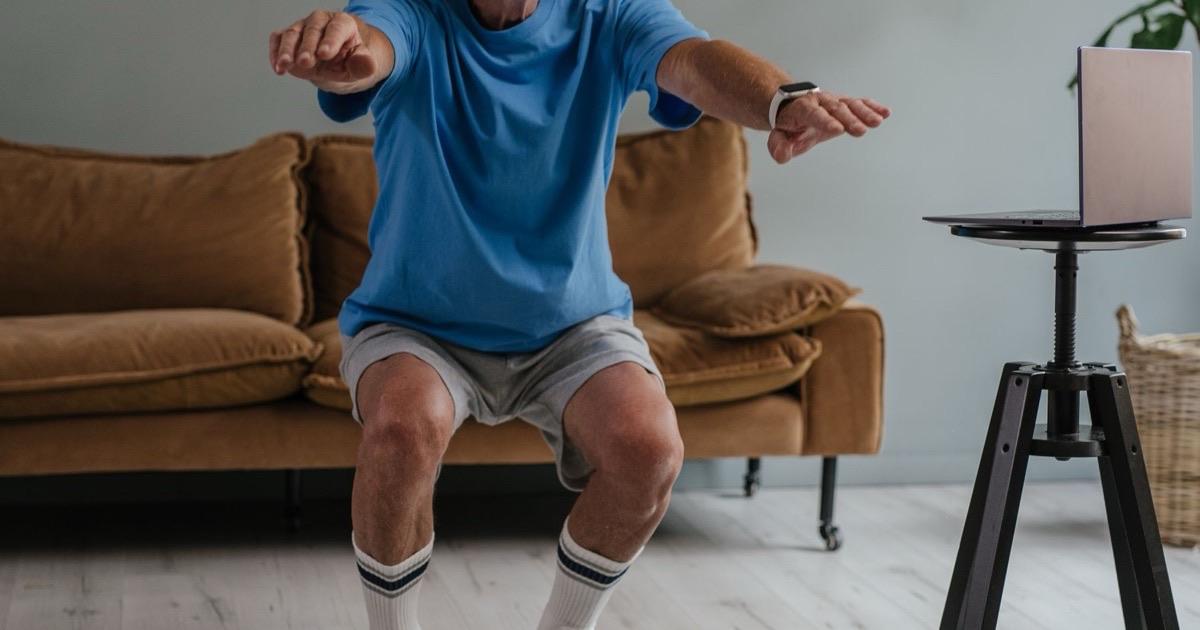
Knee pain is one of the most common reasons people come to physical therapy, and one of the most rewarding to treat. Most non-injury knee pain — including the aching, stiffness, and clicking that many people simply learn to live with — involves a combination of muscle weakness, mobility limits, and movement patterns that can be substantially improved with the right home program.
The five exercises below are conservative starting points for the most common types of chronic knee pain: mild to moderate osteoarthritis, patellofemoral pain (the kind that hurts on stairs and after prolonged sitting), and general overuse pain. They are not appropriate for acute injuries (a recent trauma, sudden swelling, a knee that locks or gives way) — those need a clinician's eyes on them before any exercise program.
What Causes Most Non-Injury Knee Pain
A few patterns account for most of the chronic knee pain we see:
- Quadriceps weakness — when the front-of-thigh muscles cannot fully control how the kneecap tracks, the joint takes more load than it should.
- Hip and glute weakness — when the muscles that control the leg from above are weak, the knee compensates by turning inward, increasing stress on the joint and the kneecap.
- Tight hamstrings and calves — pull on the knee from below and contribute to anterior knee pain.
- Osteoarthritis — wear-and-tear changes in the joint cartilage that respond well to strengthening and low-impact movement.
- Patellofemoral pain — a catch-all term for pain at the front of the knee, often worse with stairs, squatting, or sitting for long periods. Frequently driven by the imbalances above.
Notice what is not on this list as the most common cause: cartilage damage or arthritis severity. Many people with significant joint changes on imaging have minimal pain, and many with severe knee pain have unremarkable imaging. How well the muscles around the knee are working is often more predictive of pain than the joint itself.
How Physical Therapy Approaches Knee Pain
A PT evaluation looks at the whole leg — hip strength, knee mobility, ankle range of motion, gait, and the muscle imbalances driving your pain. Treatment typically combines progressive quad and glute strengthening, hands-on mobility work for stiff joints, gait or movement retraining, and education about activity pacing during flares. For osteoarthritis specifically, strengthening can be as effective as injections for long-term pain reduction and is the only intervention that actually changes how well the joint functions over time.
5 Exercises to Try at Home
Start with the dosage below; build up gradually. Mild discomfort during these is acceptable; sharp pain or pain that lingers afterward is not. Stop and re-evaluate if symptoms increase.
1. Quad Sets
Sit on the floor or in bed with your legs straight out. Press the back of your knee down toward the surface, tightening the quadriceps muscle on the front of your thigh. Hold 5 seconds, release. Repeat 10 times on each side. This is the safest knee exercise you can do — it strengthens the quad without bending the joint at all, which is why it is the standard starting point even for very painful knees and post-surgical recoveries.
2. Straight Leg Raises
Lie on your back with one knee bent (foot flat on the floor) and the other leg straight. Tighten the quad of the straight leg, lift it about 12 inches off the floor, hold 2 seconds, lower slowly. 10 reps each side. This strengthens the quad while keeping the knee straight, so the joint is not loaded. One of the most effective exercises for general knee pain.
3. Heel Slides
Lie on your back with both legs straight. Slowly slide one heel toward your buttock by bending the knee, then slide it back out. Move within a pain-free range. 10 reps each side. This preserves knee range of motion — particularly important if the joint feels stiff or you have early arthritis.
4. Glute Bridges
Lie on your back, knees bent, feet flat on the floor about hip-width apart. Squeeze your glutes and lift your hips toward the ceiling so your body forms a straight line from knees to shoulders. Hold 2 seconds, lower slowly. 10-15 reps. This addresses the hip and glute weakness that drives so much knee pain. Many people are surprised at how much chronic knee pain improves when they finally start working their glutes consistently.
5. Standing Hamstring Stretch
Stand facing a low stool or step. Place one heel on the surface, leg straight, toes pointing up. Keeping your back straight, hinge forward at the hips until you feel a gentle stretch along the back of your thigh. Hold 20-30 seconds, switch sides. Do not bounce. Flexible hamstrings reduce strain on the knee and improve mechanics.
When to Skip Home Exercises and Get Evaluated
Knee pain that fits any of the following needs a clinician's evaluation before you start an exercise program:
- Sudden swelling, especially after an injury
- Inability to bear weight on the knee
- The knee giving way or feeling like it might
- A locked knee that will not fully bend or straighten
- A pop or snap at the time of injury
- Pain that wakes you at night
- Pain that is worsening over weeks rather than improving
Getting Started
If knee pain is limiting your walking, your stairs, or the activities you enjoy, an evaluation is the most direct way to figure out what is driving it and what will fix it. Call us at 678-292-6150 — in Georgia you do not need a physician referral, and we verify your insurance benefits before your first visit so you know your costs up front. We will tell you honestly whether physical therapy is the right step for your specific knee.